If you've recently gotten a quote for a new roof and felt your stomach drop, you're not imagining things. Roof replacement costs in America have climbed faster than almost any other home improvement category over the past three years — and the painful truth is that a large portion of what homeowners pay isn't actually going into the roof itself.
The "Insurance Markup" Most People Never Notice
When a contractor finds out your roof replacement might be covered by insurance — even partially — something quietly shifts in the quote. The materials line stays the same. The labor line stays the same. But suddenly there are line items like "project management," "site coordination fee," or "supplier surcharge" that didn't exist when your neighbor (paying cash) got their quote last month.
This isn't fraud. It's pricing psychology. Contractors know insurance adjusters expect inflated numbers, so they pad accordingly. The problem? If your deductible is high, or your insurer denies part of the claim, *you* end up paying the inflated price out of pocket.
A practical move: get at least one quote where you don't mention insurance at all. Compare it to the "insurance version." The gap will surprise you.
Why "Free Inspections" Are Rarely Free
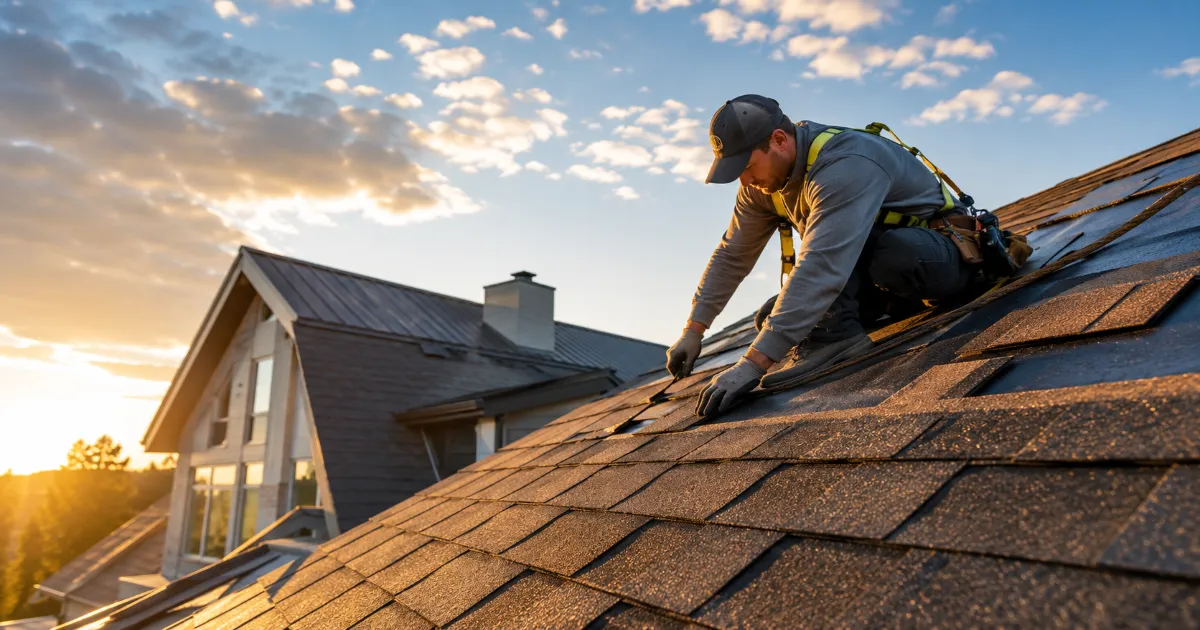
That friendly roofer who knocked on your door after the last storm and offered a free inspection? His business model depends on finding damage. Even if your roof has another 8–10 years of life left, he's trained to spot enough granule loss, lifted shingles, or "potential storm impact" to justify a full replacement quote.
I'm not saying every door-knocker is dishonest. Many are legitimate. But the structural incentive is brutal: nobody pays a roofer to tell you your roof is fine.
If you want a real opinion, hire a licensed home inspector (not a roofer) for around $300–$500. They have no financial reason to recommend replacement. That single decision has saved homeowners I've talked to anywhere from $8,000 to $20,000.
The Material Markup That Hides in Plain Sight
Here's something most homeowners don't know: contractors typically pay **35–50% less** for roofing materials than what shows up on your quote. That's normal — it covers their overhead, storage, and risk. But many contractors mark up the *exact same shingle bundle* by 80–120%, especially when they sense the homeowner hasn't shopped around.
A 2,000 sq ft roof in architectural asphalt shingles should cost roughly **$8,500 to $14,000 installed** in most U.S. markets in 2026. If you're getting quotes above $18,000 without a steep pitch, multiple stories, or premium materials, something is off.
When I tell homeowners to ask these three questions before signing anything, the quotes almost always drop:
The first is simple: *"Can you itemize materials and labor separately?"* Vague "package pricing" is where the padding hides. A reputable contractor will have no problem breaking it down.
The second: *"What's your price if I pay cash or check instead of financing?"* Financed jobs often carry a hidden 8–12% surcharge that nobody tells you about.
The third, and most powerful: *"Can you match the lowest competing quote if I show it to you?"* You'd be shocked how often the answer is yes — which tells you everything about how much margin was built in.
The Bigger Picture
Roof replacement isn't a place to be cheap. A bad install will cost you far more in leaks, mold, and re-roofing than any savings on the front end. But there's a massive difference between paying a fair premium for quality and paying a hidden premium for nothing.
The homeowners who walk away happy aren't the ones who picked the lowest bid. They're the ones who got **three to five quotes**, asked uncomfortable questions, and refused to be rushed by "today only" pricing.
Your roof is probably going to be the third or fourth largest expense of your life, after your house, your cars, and maybe your kids' education. Treat the buying process with the same seriousness.
Frequently asked questions
How much should a roof replacement actually cost?
For a standard 2,000 sq ft asphalt shingle roof, expect $9,000–$16,000 in most U.S. markets. Costs vary by material, labor rates, roof complexity, and region. Get multiple quotes to establish a fair market price for your specific project.
What is the biggest hidden cost in roof replacement?
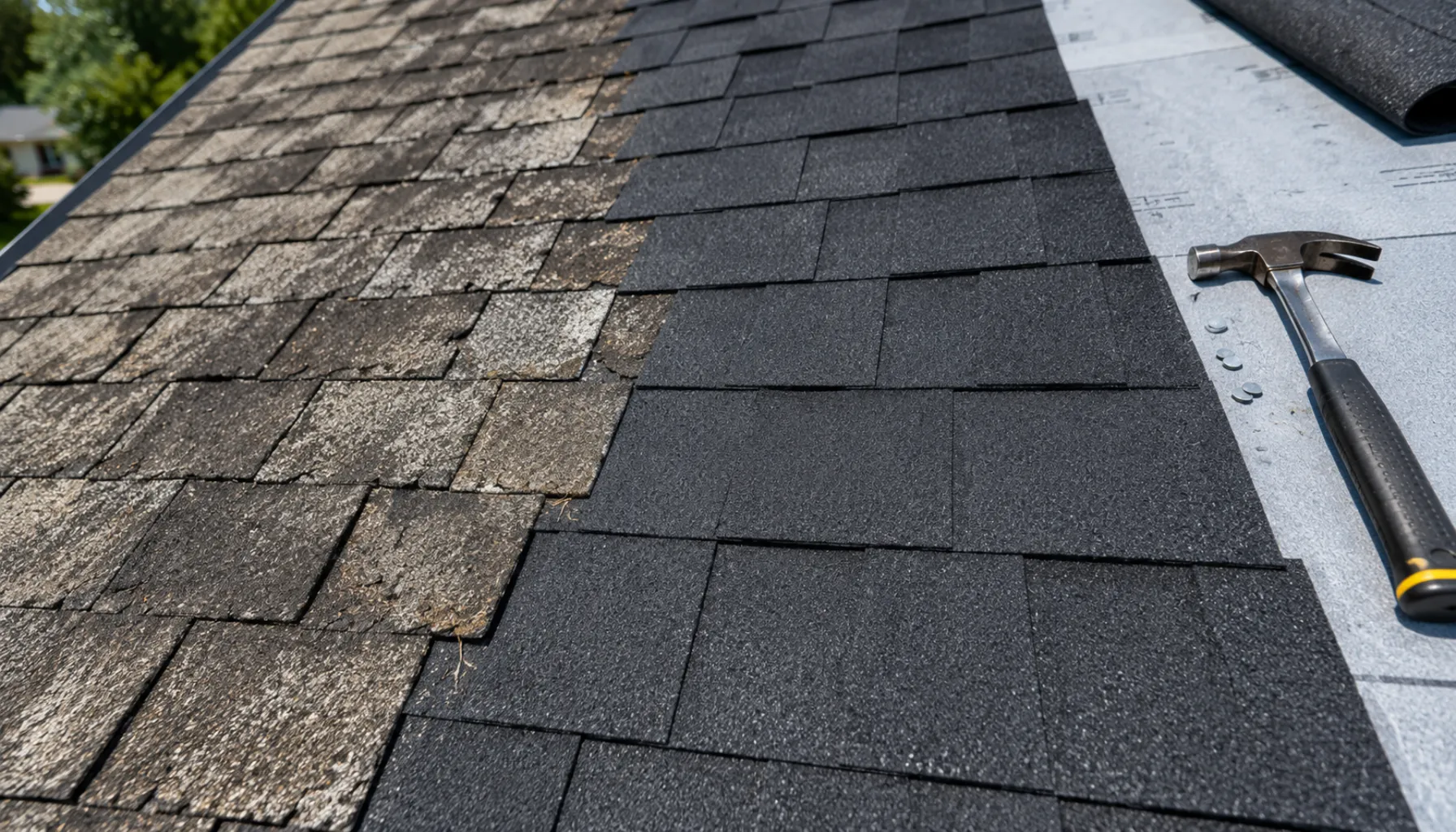
Decking repairs. Once old shingles are removed, damaged plywood decking must be replaced before new roofing can be installed. This can add $1,000–$4,000 depending on the extent of damage, and it's not visible until tear-off begins.
Is a more expensive roof always better?
Not necessarily. A mid-range architectural shingle with proper installation often outperforms a premium material with poor workmanship. Prioritize quality installation and adequate ventilation over material upgrades.
Our editorial team researches and compiles home improvement cost data from contractor pricing surveys, manufacturer specifications, permit databases, and regional labor rate benchmarks to create practical planning estimates for U.S. homeowners.
✓ Published 200+ cost guides and calculators✓ Covers 25 U.S. states with localized pricing✓ Data sourced from contractor and industry benchmarks
Last reviewed: 2026-06-08
Related articles
Continue exploring home improvement topics and cost-saving strategies.
Kitchen
How to Save Money on Your Kitchen Remodel in 2026
Discover practical strategies to cut kitchen renovation costs without sacrificing quality — from keeping your layout to choosing smart material alternatives.