How to Save Money on Your Kitchen Remodel in 2026
Discover practical strategies to cut kitchen renovation costs without sacrificing quality — from keeping your layout to choosing smart material alternatives.
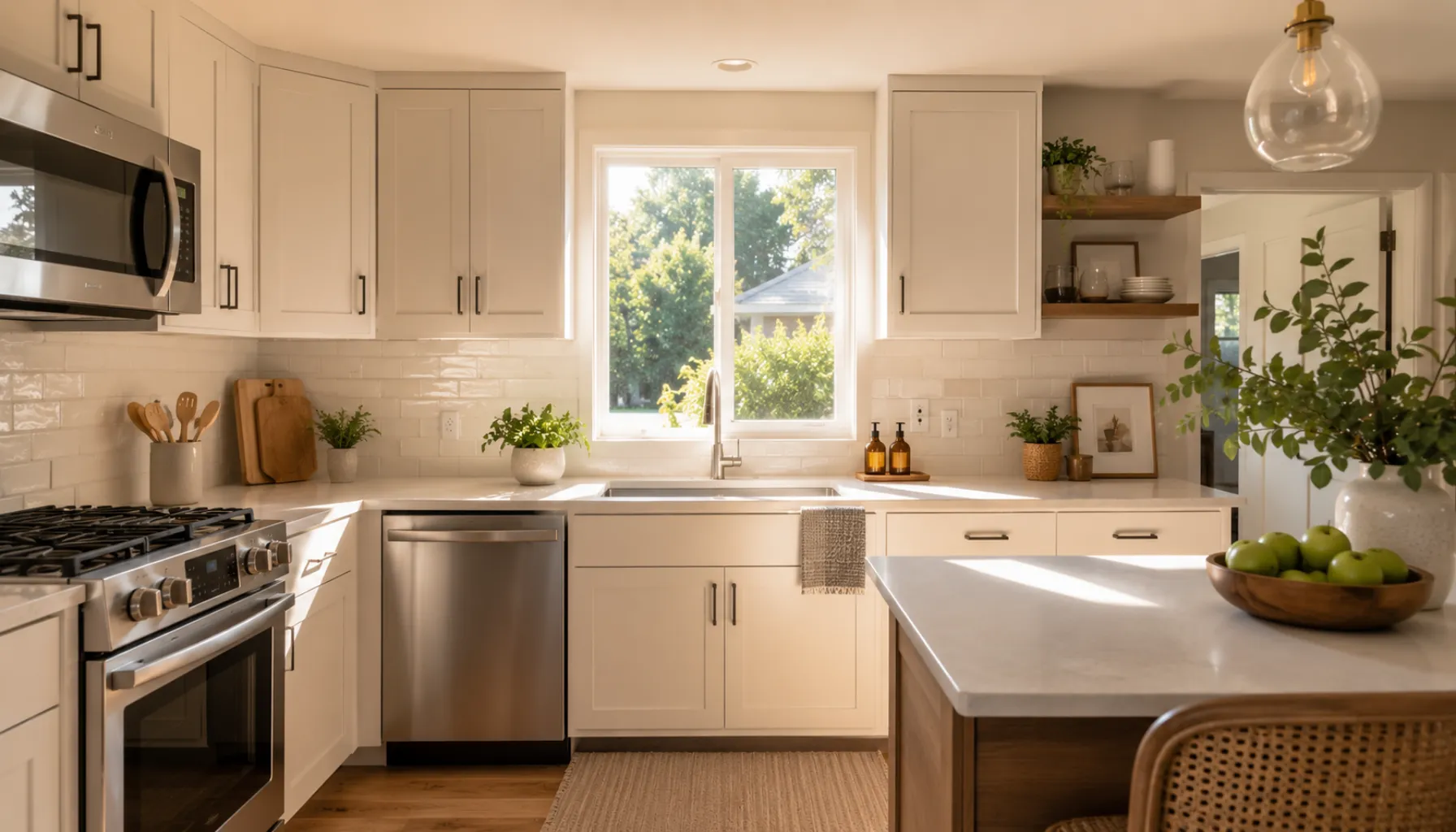
Discover practical strategies to cut kitchen renovation costs without sacrificing quality — from keeping your layout to choosing smart material alternatives.
Kitchen remodels are consistently one of the most expensive home improvement projects in the United States. The average mid-range kitchen renovation costs between $25,000 and $55,000, with premium projects easily exceeding $100,000.
The cost adds up quickly because kitchens involve almost every trade: plumbing, electrical, carpentry, flooring, countertops, and appliances. Each element has its own pricing structure and labor requirements.
Understanding where the money goes is the first step toward making smarter budget decisions.
One of the biggest cost savers is keeping your kitchen's current layout. Moving plumbing lines, gas connections, or electrical circuits can add $5,000 to $15,000 or more to your project.
If your current layout works well functionally, focus your budget on upgrading finishes, cabinets, and appliances instead of rearranging the room. This alone can save 15–25% of total project cost.
Even small changes like moving the sink to a different wall require rerouting supply lines, drain pipes, and potentially venting — each adding labor hours and material cost.
Cabinets typically account for 30–40% of a kitchen remodel budget. Instead of custom cabinetry, consider semi-custom or stock cabinet options that can look nearly identical at a fraction of the price.
Refacing existing cabinets — replacing doors and drawer fronts while keeping the cabinet boxes — can save 40–50% compared to full replacement. Painting existing cabinets is even more budget-friendly.
Another strategy: use high-end cabinets only on visible upper sections and more affordable options for lower cabinets or pantry storage.
Quartz and granite remain popular choices, but their per-square-foot costs can stretch budgets quickly. Consider butcher block, laminate with a stone finish, or porcelain countertops as lower-cost alternatives.
Modern laminate countertops have improved significantly in appearance and durability. High-pressure laminate brands now offer realistic stone and quartz patterns at 60–70% less than natural stone.
If you want real stone, consider using it only on the main work surface or island, and choosing a less expensive material for secondary counters.
Appliance prices fluctuate seasonally. The best times to buy are during holiday sales weekends (Presidents' Day, Memorial Day, Labor Day, Black Friday) when discounts of 20–40% are common.
Contractor availability also affects pricing. Scheduling your remodel during slower months (late fall through early spring in most regions) can sometimes lead to more competitive bids.
Order materials early and store them if possible. Supply chain delays can force last-minute substitutions at higher prices.
Certain tasks can safely be done by homeowners: demolition, painting, backsplash tile installation, hardware swaps, and simple fixture replacements.
Leave plumbing, electrical, gas, and structural work to licensed professionals. DIY mistakes in these areas can be dangerous and cost more to fix than hiring a pro from the start.
Even handling your own demolition can save $500 to $2,000 depending on the scope of tear-out work needed.
Always compare at least three contractor quotes before committing. Request line-item breakdowns so you can see exactly where costs differ between bids.
Look beyond the total price. Compare material brands, warranty terms, project timelines, and what's included versus excluded in each proposal.
Beware of bids that are significantly lower than others — they may exclude important scope items, use lower-quality materials, or indicate a less experienced contractor.
The most affordable approach is a cosmetic refresh: painting cabinets, updating hardware, installing a new backsplash, and swapping fixtures. This can cost $5,000–$15,000 compared to $25,000+ for a full remodel.
Keeping the same layout typically saves $5,000–$15,000 by avoiding plumbing, electrical, and gas line relocations. This is one of the most impactful cost-saving decisions.
Yes. Modern stock cabinets have improved significantly in quality and style. They cost 40–60% less than semi-custom and can look very similar once installed with quality hardware.
Continue exploring home improvement topics and cost-saving strategies.
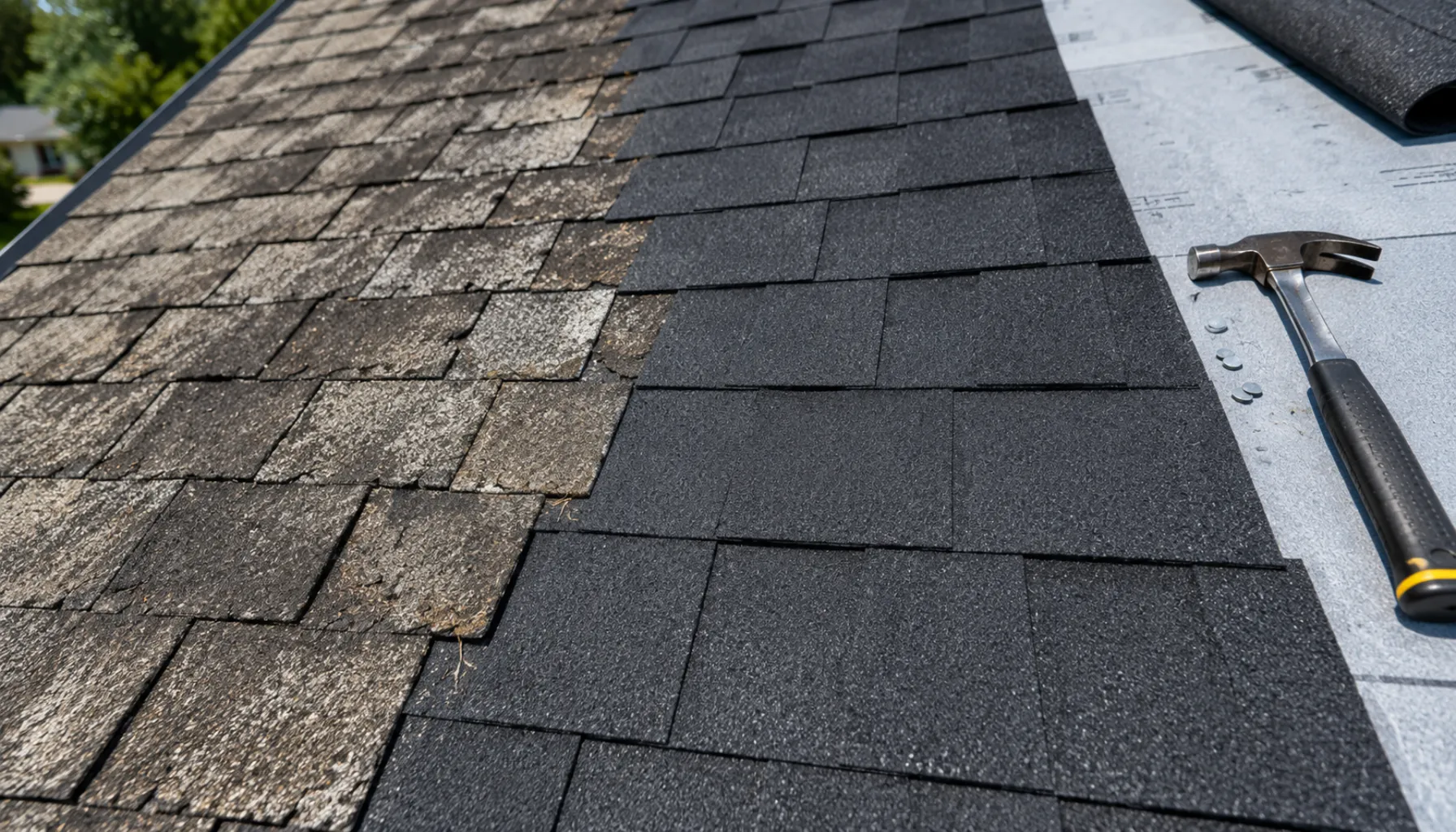 Roofing
 Not every roof problem requires a full replacement. Learn when a repair makes sense and when it's time to invest in a complete new roof.
Read article →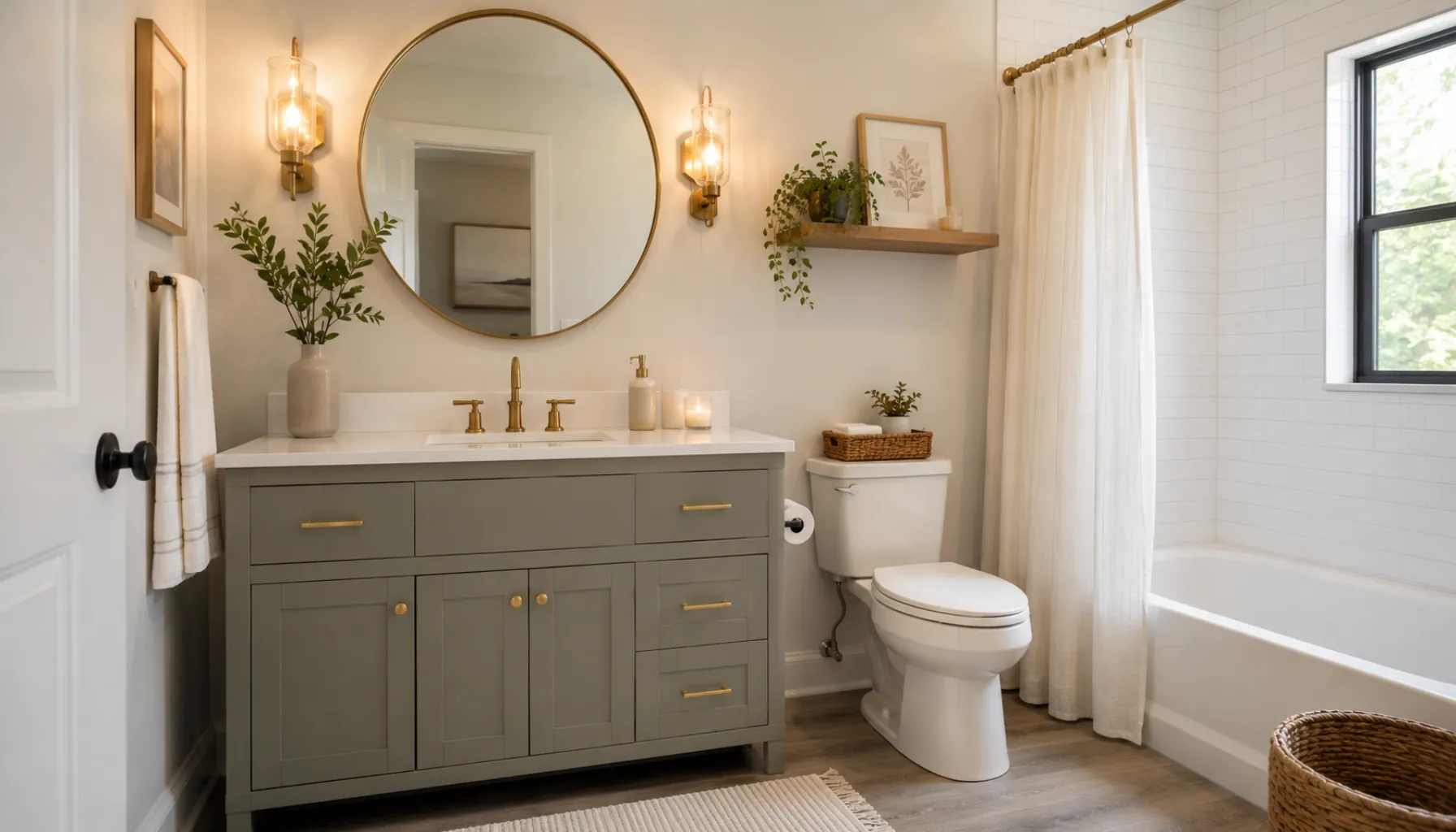 Bathroom
 You don't need a huge budget to transform your bathroom. These practical ideas deliver big impact without breaking the bank.
Read article → HVAC
HVAC Timing your HVAC replacement strategically can save you money on both equipment and installation. Here's when to schedule for the best deals.
Read article →