What to know before you hire a house painter
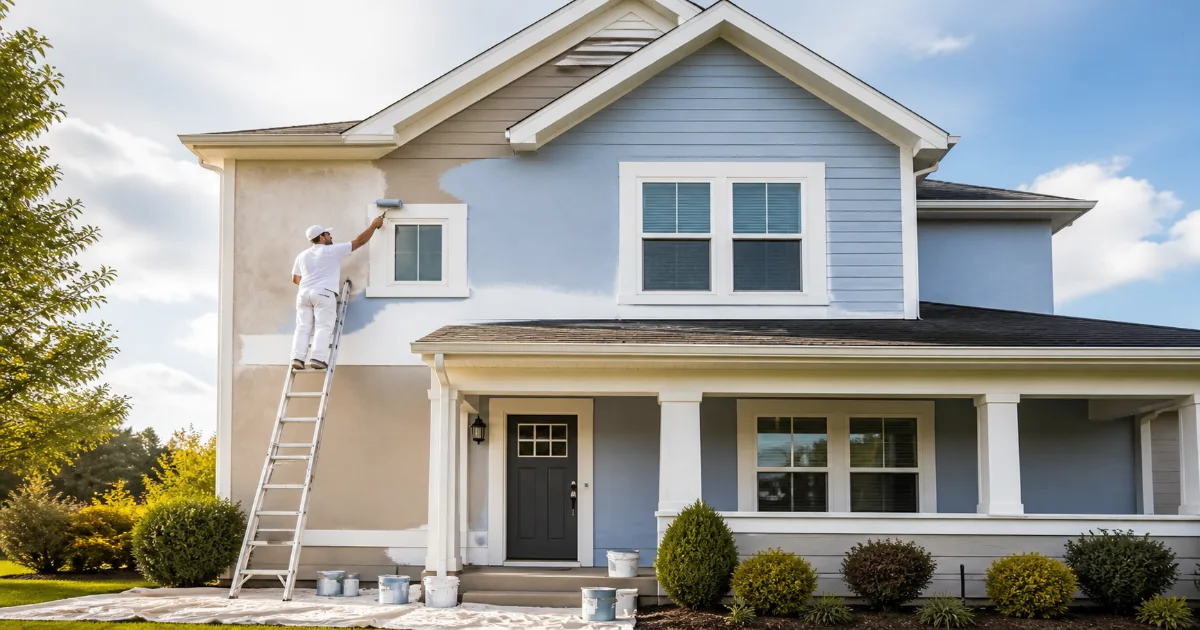
House painting is a cosmetic project where the longevity of the finish is determined almost entirely by the work done before a single paintbrush is wet. Prep work represents roughly 80% of a professional paint job's value. For exterior painting, this includes pressure washing, scraping away loose paint, sanding rough edges, caulking joints, and applying primer to bare wood or stucco. For interior painting, it involves filling drywall dents, sanding surfaces flat, and taping edges. If a contractor quotes a price that is significantly lower than competitors, they are likely cutting corners on prep work, which will lead to peeling and fading paint within 2 to 3 years.
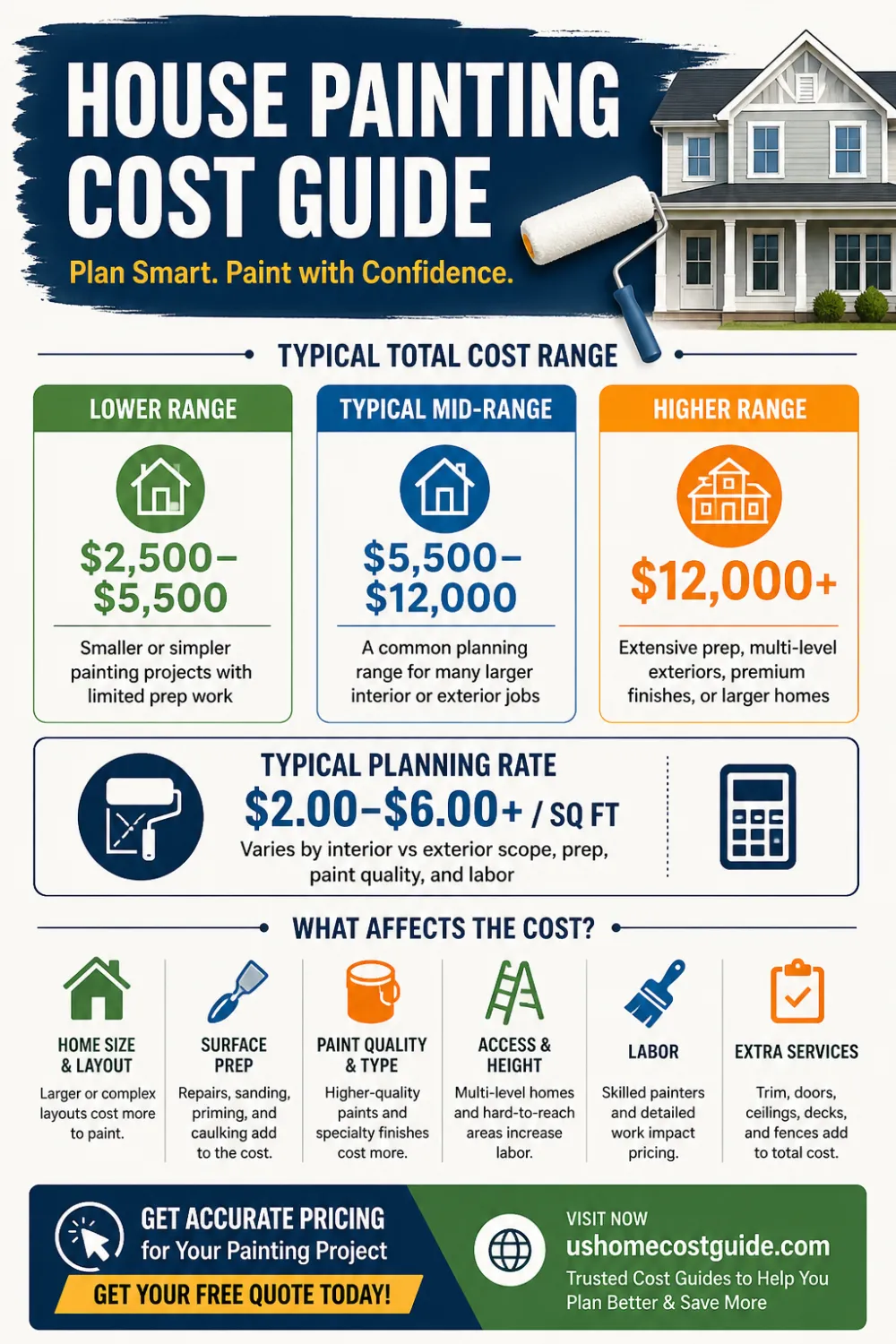
Additionally, material quality makes a massive difference in the long-term cost. Cheap contractor-grade paint is thin, has poor hiding capability (often requiring 3 coats instead of 2), and degrades quickly under solar UV light. Premium 100% acrylic latex paint (such as Sherwin-Williams Duration or Benjamin Moore Regal Select) costs more upfront but features better binders and pigments that provide superior adhesion, mildew resistance, and fade resistance. Spending 20% to 30% more on premium paint can double the lifespan of the paint job, stretching the repaint cycle from 5 years to 9–12 years.
Finally, be aware of safety and environmental regulations. If your home was built before 1978, it is highly likely to contain lead-based paint. Disturbing lead paint requires EPA RRP (Renovation, Repair, and Painting) certified contractors who follow specific containment and cleanup procedures. Handling lead paint safely can add $1,500 to $4,000 to an exterior repaint but is legally required and essential to protect your family's health.
What's changed in 2026?
As we move through 2026, the painting industry has standardized around low-VOC and zero-VOC (volatile organic compounds) paints for all interior residential projects. Modern waterborne coatings provide extreme durability, scrub resistance, and color retention without the strong chemical odors of the past. Exterior paint technology has also advanced, with manufacturers introducing self-cleaning acrylic paints that shed dirt and dust when it rains, keeping exteriors looking fresh for longer. Paint labor costs have risen due to labor shortages, making it important to get detailed, written proposals that specify the exact paint brand, line, and number of coats to be applied.