What to know before you start a kitchen remodel
A kitchen remodel is often the most rewarding home improvement project, but it is also the most expensive and disruptive. To ensure a successful renovation, focus first on the layout and functionality of the space. Designers recommend adhering to the classic "work triangle"—the flow between the sink, refrigerator, and cooktop. The sum of the three legs of the triangle should be between 10 and 26 feet. A poorly designed layout can make even the most beautiful kitchen frustrating to use.
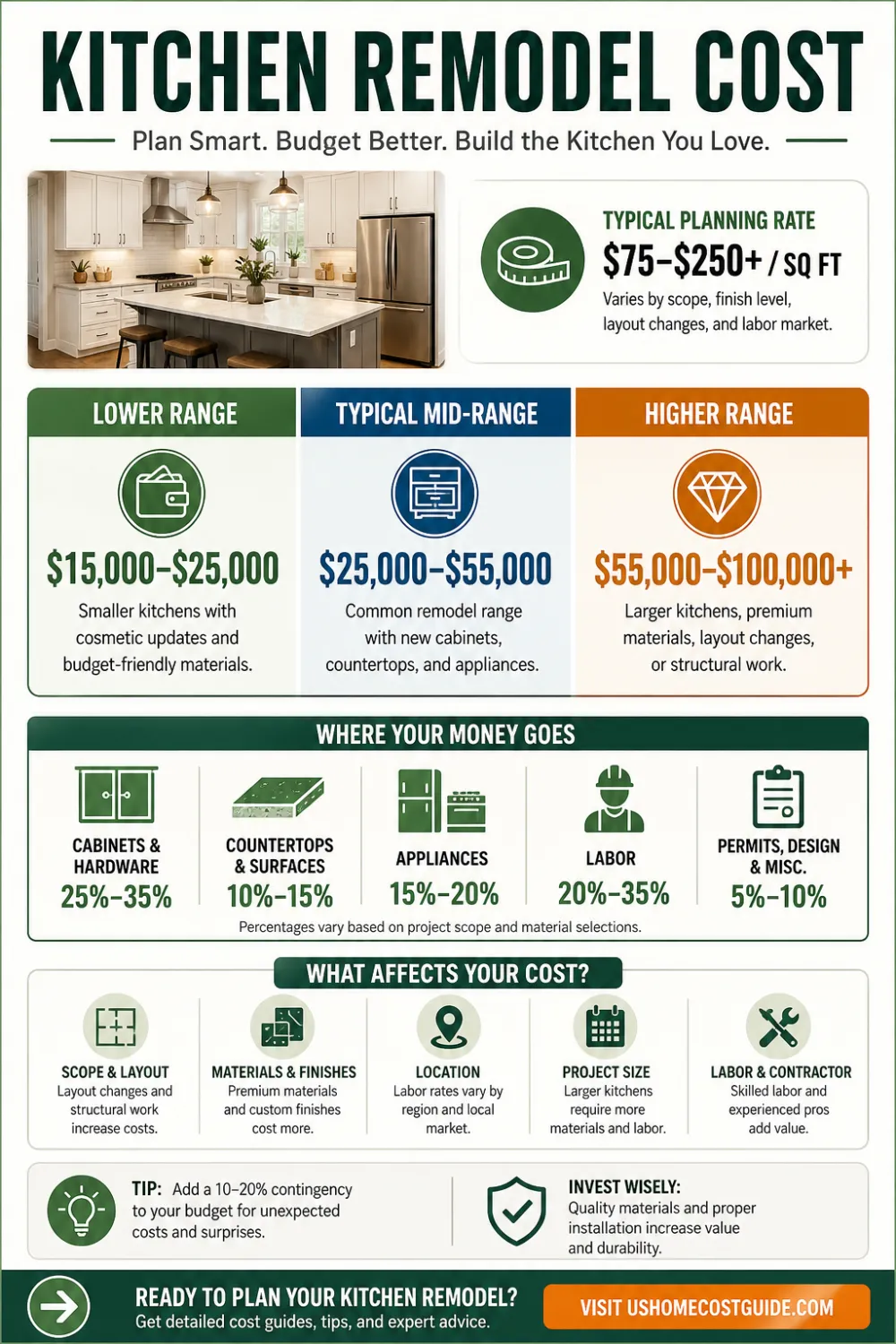
Cabinets are typically the single largest expense in a kitchen remodel, accounting for 30% to 40% of the total budget. Invest in high-quality cabinet boxes made from 1/2-inch or 3/4-inch plywood rather than thin particleboard, and look for features like solid wood drawer boxes, dovetail joints, and soft-close hinges. If your existing cabinet boxes are in structurally sound condition, refacing them or hiring a professional painter to repaint them can save you $10,000 to $20,000, allowing you to reallocate funds toward premium appliances or countertops.
Finally, prepare for the electrical and infrastructure demands of a modern kitchen. Upgrading appliances, adding under-cabinet LED lighting, and installing multiple GFCIs along countertops often requires a dedicated electrical panel upgrade. If your home has a 100-amp panel, you will likely need to upgrade to a 200-amp service (costing $2,000 to $4,500) to support new appliances like induction cooktops, dual ovens, and high-draw microwaves.
What's changed in 2026?
In 2026, the shift toward electric induction cooktops over traditional gas ranges has accelerated dramatically, driven by both performance preferences and local building code regulations encouraging home electrification. Smart kitchens featuring touchless faucets, smart refrigerators with built-in cameras, and voice-controlled lighting systems are increasingly standard. Material prices for quartz countertops have stabilized, making it the dominant choice over high-maintenance granite. Cabinetry lead times have returned to normal levels of 4 to 6 weeks, though custom configurations still require planning 2 to 3 months in advance.