Every homeowner has faced the temptation: a repair quote that seems too good to refuse. But the cheapest option on paper frequently becomes the most expensive decision over time — and the math behind why is something most people never see until it's too late.
Why cheap repairs feel like smart decisions
When something breaks in your home, the immediate instinct is to find the most affordable fix. This makes sense on the surface — why spend $2,000 when a $400 repair will solve the problem?
The issue is that most cheap repairs don't solve the problem. They address the symptom while leaving the underlying cause intact. A patched roof leak may stop water for a season, but if the flashing failure that caused it isn't properly repaired, the leak returns — often in a different spot where damage has spread.
The real math: lifetime cost vs. upfront cost
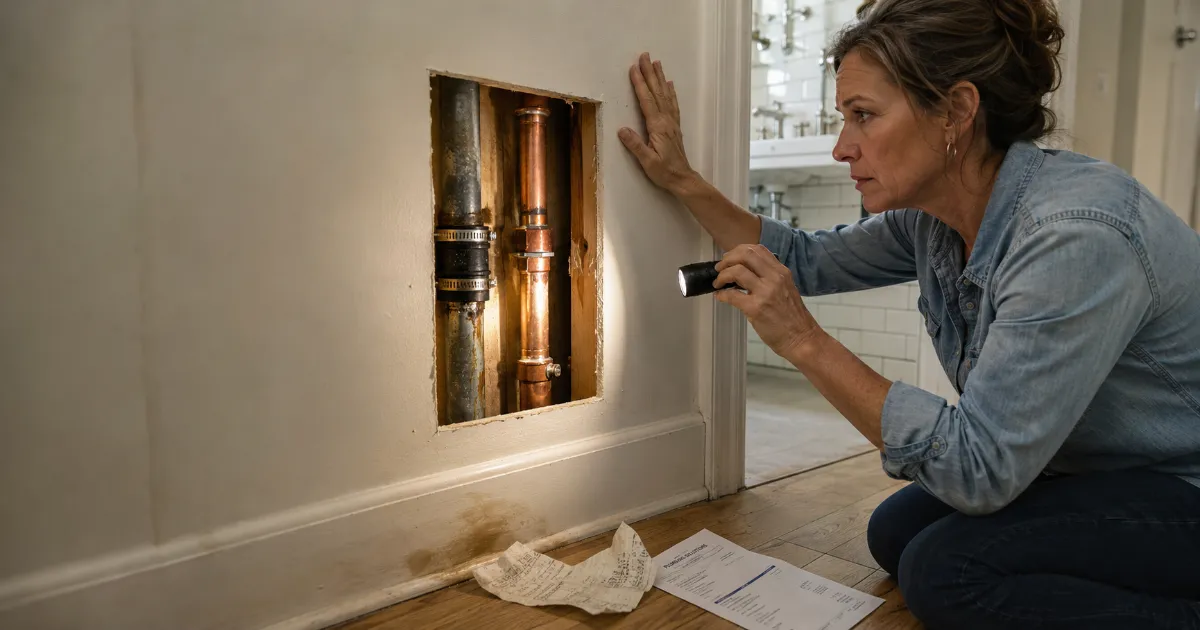
Consider a common scenario: a homeowner with a leaking pipe behind a bathroom wall. Option A: a $350 patch repair that accesses the pipe through a small hole. Option B: a $1,400 proper repair that opens the wall, replaces the corroded section, and addresses the root cause.
The $350 repair lasts 18 months before the adjacent pipe section fails. Now the homeowner pays $350 again — plus $800 in water damage repair from the second leak. Total: $1,500 over 2 years, with ongoing risk.
The $1,400 repair addresses the full problem once. Over a 10-year period, the 'expensive' option costs $1,400 total while the 'cheap' approach can exceed $3,000 in cumulative repairs and damage.
Low-quality materials: the hidden multiplier
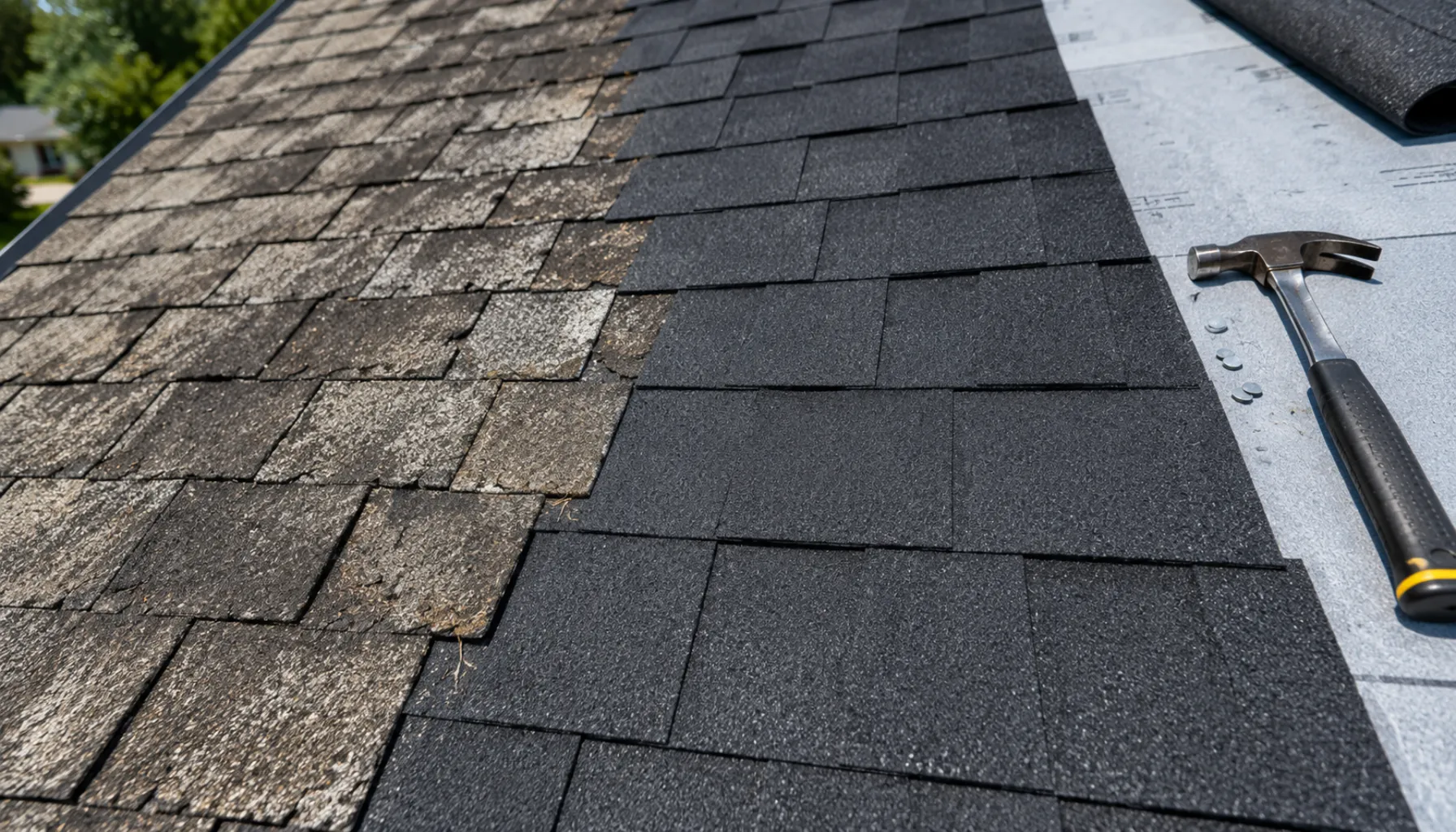
Cheap repairs almost always use lower-grade materials. Budget caulk that cracks in 2 years, economy-grade shingles with shorter warranties, or thin-gauge replacement pipes that corrode faster than the originals.
Material cost typically represents 20–40% of a repair project. Upgrading to quality materials adds 10–15% to the total project cost but can double or triple the effective lifespan of the repair.
Ask your contractor what materials they plan to use, and what the warranty difference is between standard and premium options. A $50 difference in material cost can mean 5 additional years of service life.
The contractor quality equation
Significantly lower bids often come from contractors who cut corners in ways that aren't immediately visible: thinner application of waterproofing, skipped preparation steps, or installation shortcuts that reduce labor time at the expense of durability.
Licensed, insured contractors have higher overhead — but that overhead includes training, proper equipment, warranty backing, and code compliance. An unlicensed handyman may charge 40% less but provides none of these protections.
When a cheap repair fails and causes additional damage, there's often no warranty to fall back on. The homeowner absorbs the full cost of the redo plus any consequential damage.
When a repair is genuinely the right choice
Not every situation calls for the premium option. Targeted repairs make financial sense when the overall system is in good condition and the damage is truly isolated.
The decision framework: if the repair cost is less than 30% of full replacement cost AND the system has more than 50% of its useful life remaining, a quality repair is usually the smart choice.
The key word is quality. A proper, professionally executed repair with appropriate materials is a legitimate cost-saving strategy. A cheap patch job is not a repair — it's a postponement.
Frequently asked questions
How do I know if a low repair quote is too good to be true?
Compare at least three quotes. If one bid is 40%+ below the others, ask what's different: materials, scope, warranty, licensing. Significant price gaps usually reflect significant quality gaps.
When should I repair vs. replace?
If repair cost exceeds 30–40% of replacement cost and the system is past its midlife point, replacement is usually more cost-effective. For newer systems with isolated damage, quality repairs are the better investment.
Are expensive contractors always better?
Not necessarily. Price doesn't guarantee quality. But consistently low prices often indicate corners being cut on materials, preparation, or licensing. Focus on value: fair pricing with documented scope, quality materials, and proper warranty.
Our editorial team researches and compiles home improvement cost data from contractor pricing surveys, manufacturer specifications, permit databases, and regional labor rate benchmarks to create practical planning estimates for U.S. homeowners.
✓ Published 200+ cost guides and calculators✓ Covers 25 U.S. states with localized pricing✓ Data sourced from contractor and industry benchmarks
Last reviewed: 2026-06-15
Related articles
Continue exploring home improvement topics and cost-saving strategies.
Kitchen
How to Save Money on Your Kitchen Remodel in 2026
Discover practical strategies to cut kitchen renovation costs without sacrificing quality — from keeping your layout to choosing smart material alternatives.