$ Home Project Cost Guide
HVAC systems and residential construction in South Carolina
South Carolina HVAC Guide

HVAC replacement cost in South Carolina

South Carolina's long, hot, humid summers — with temperatures exceeding 90°F for 80–100 days annually and dew points frequently above 70°F — create a cooling-dominated HVAC market where air conditioning runs 7–8 months per year. The state's below-average cost factor keeps replacement accessible, with full system installations running $5,000–$11,000.

Market Cost Analysis

$South Carolina Cost Index: $0.96

Residential project costs in $South Carolina are estimated to be 4% below the national average. A project that costs $10,000 nationally will typically run $9,600 in $South Carolina's average market, though local metro labor rates will vary.

HVAC replacement calculator for South Carolina

Enter project details to generate a planning estimate for South Carolina.

This tool is for planning only. Final HVAC quotes in South Carolina depend on system brand, installation complexity, duct condition, and contractor pricing.

South Carolina HVAC replacement cost factors

  • South Carolina generally has costs below the national average.
  • Coastal areas face hurricane code requirements and moisture challenges.
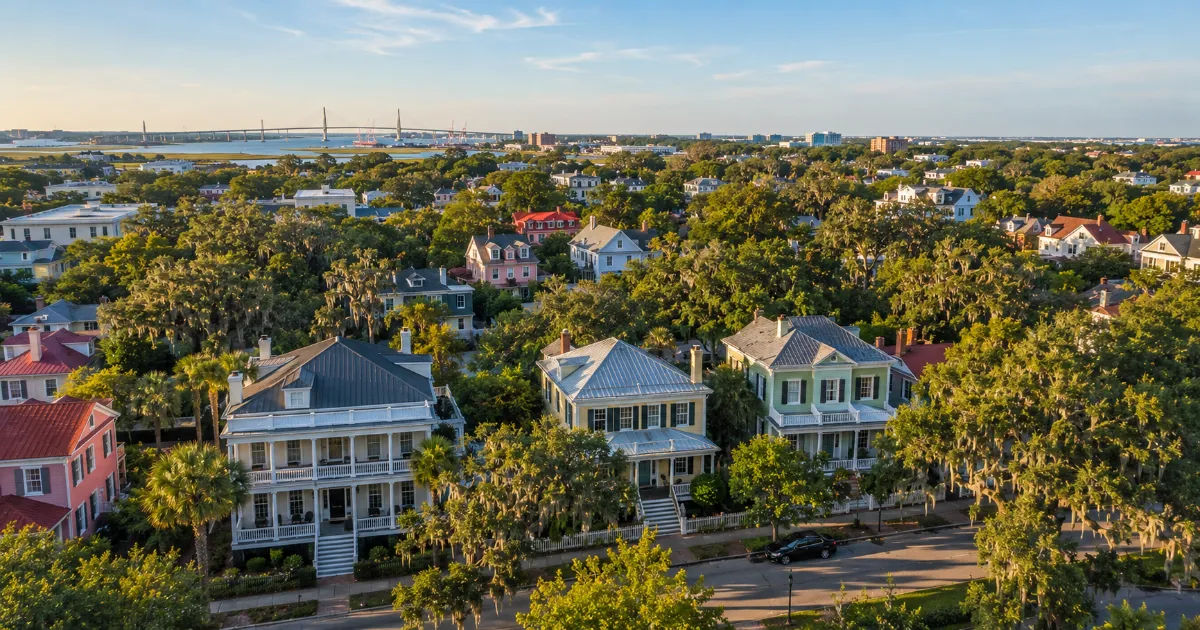
  • Historic districts (especially Charleston) may have additional permit requirements.
  • Growing population is increasing demand in the Greenville and Charleston metros.

HVAC replacement in South Carolina — local insights

South Carolina's long, hot, humid summers — with temperatures exceeding 90°F for 80–100 days annually and dew points frequently above 70°F — create a cooling-dominated HVAC market where air conditioning runs 7–8 months per year. The state's below-average cost factor keeps replacement accessible, with full system installations running $5,000–$11,000.

📍 Local market

In the Charleston metro, the combination of extreme humidity and salt-air exposure shortens outdoor condenser lifespan — coastal units last 8–12 years versus 12–15 years inland. Specify corrosion-resistant coil coatings for installations within 15 miles of the coast. Columbia's extreme summer heat (one of the hottest cities east of the Mississippi) makes system sizing and dehumidification performance critical. Greenville's Upstate location has more moderate summers but meaningful heating needs in winter, making heat pumps a strong fit.

📋 Permits

South Carolina requires mechanical permits for HVAC installations through local building departments. Charleston, Columbia, and Greenville each administer their own processes. South Carolina enforces the International Mechanical Code with state amendments. Licensed HVAC contractors are required for all permitted installations.

📅 Best timing

South Carolina HVAC contractors hit peak demand during June through August when extreme heat pushes aging systems to failure. Planning a replacement during the mild spring (March–April) or fall (October–November) offers the best scheduling and pricing. Pre-summer installation ensures the system is tested and running before peak cooling demand.

🪵 Materials

Heat pump systems are the natural choice for South Carolina's mild winters, providing efficient year-round heating and cooling. Variable-speed systems with enhanced dehumidification capability are especially valuable in the Lowcountry's extreme humidity environment. For coastal installations, specify condenser units with louvered aluminum or composite cabinets and treated coils for salt-air resistance. Dominion Energy and Duke Energy SC offer rebates for qualifying high-efficiency installations.

HVAC costs in major South Carolina cities

Charleston

Historic preservation rules and coastal conditions can increase project costs.

Greenville

Growing metro with moderate costs and increasing construction demand.

Columbia

State capital with moderate pricing and steady demand.

Myrtle Beach

Tourism and coastal exposure affect material choices and contractor availability.

How to compare quotes in South Carolina

When comparing quotes from local contractors in South Carolina, pay close attention to these state-specific considerations:

  • Local Regulations & Permits: South Carolina requires mechanical permits for HVAC installations through local building departments. Charleston, Columbia, and Greenville each administer their own processes. South Carolina enforces the International Mechanical Code with state amendments. Licensed HVAC contractors are required for all permitted installations.
  • Material Performance: Heat pump systems are the natural choice for South Carolina's mild winters, providing efficient year-round heating and cooling. Variable-speed systems with enhanced dehumidification capability are especially valuable in the Lowcountry's extreme humidity environment. For coastal installations, specify condenser units with louvered aluminum or composite cabinets and treated coils for salt-air resistance. Dominion Energy and Duke Energy SC offer rebates for qualifying high-efficiency installations.
  • Project Timing: South Carolina HVAC contractors hit peak demand during June through August when extreme heat pushes aging systems to failure. Planning a replacement during the mild spring (March–April) or fall (October–November) offers the best scheduling and pricing. Pre-summer installation ensures the system is tested and running before peak cooling demand.
  • Verify licensing, insurance, and local references in South Carolina before making a decision.
  • Ensure all quotes detail the complete scope (labor, materials, cleanup, and warranty).

Frequently asked questions

What is the typical cost of HVAC replacement in South Carolina?

In South Carolina, a typical HVAC replacement ranges from $7,200 to $12,000 for standard projects. South Carolina's long, hot, humid summers — with temperatures exceeding 90°F for 80–100 days annually and dew points frequently above 70°F — create a cooling-dominated HVAC market where air conditioning runs 7–8 months per year. The state's below-average cost factor keeps replacement accessible, with full system installations running $5,000–$11,000. Higher-end options can range from $13,440 to $21,120 depending on scope, sizing, and contractor choice.

How do local market conditions and climate in South Carolina affect HVAC costs?

South Carolina's climate is characterized as humid subtropical, coastal. In the Charleston metro, the combination of extreme humidity and salt-air exposure shortens outdoor condenser lifespan — coastal units last 8–12 years versus 12–15 years inland. Specify corrosion-resistant coil coatings for installations within 15 miles of the coast. Columbia's extreme summer heat (one of the hottest cities east of the Mississippi) makes system sizing and dehumidification performance critical. Greenville's Upstate location has more moderate summers but meaningful heating needs in winter, making heat pumps a strong fit. Heat pump systems are the natural choice for South Carolina's mild winters, providing efficient year-round heating and cooling. Variable-speed systems with enhanced dehumidification capability are especially valuable in the Lowcountry's extreme humidity environment. For coastal installations, specify condenser units with louvered aluminum or composite cabinets and treated coils for salt-air resistance. Dominion Energy and Duke Energy SC offer rebates for qualifying high-efficiency installations.

What are the permit requirements and timing considerations in South Carolina?

South Carolina requires mechanical permits for HVAC installations through local building departments. Charleston, Columbia, and Greenville each administer their own processes. South Carolina enforces the International Mechanical Code with state amendments. Licensed HVAC contractors are required for all permitted installations. South Carolina HVAC contractors hit peak demand during June through August when extreme heat pushes aging systems to failure. Planning a replacement during the mild spring (March–April) or fall (October–November) offers the best scheduling and pricing. Pre-summer installation ensures the system is tested and running before peak cooling demand.

Are prices the same across all regions of South Carolina?

No, pricing varies between metro areas and rural towns. For example, Charleston (historic preservation rules and coastal conditions can increase project costs), Greenville (growing metro with moderate costs and increasing construction demand), Columbia (state capital with moderate pricing and steady demand). Local contractor availability, licensing, and municipal fees drive these variations.

HP
Home Project Cost Guide Editorial Team Research & Cost Analysis

Our editorial team researches and compiles home improvement cost data from contractor pricing surveys, manufacturer specifications, permit databases, and regional labor rate benchmarks to create practical planning estimates for U.S. homeowners.

✓ Published 200+ cost guides and calculators✓ Covers 25 U.S. states with localized pricing✓ Data sourced from contractor and industry benchmarks
Last reviewed: June 2026