$ Home Project Cost Guide
HVAC systems and residential construction in Missouri
Missouri HVAC Guide

HVAC replacement cost in Missouri

Missouri's continental climate creates genuine four-season HVAC demands — summer temperatures regularly reach the mid-90s°F with high humidity in St. Louis, while winter lows can dip below 0°F during cold snaps. The state's below-average cost factor keeps HVAC replacement accessible, with full system installations typically running $5,500–$12,000.

Market Cost Analysis

$Missouri Cost Index: $0.93

Residential project costs in $Missouri are estimated to be 7% below the national average. A project that costs $10,000 nationally will typically run $9,300 in $Missouri's average market, though local metro labor rates will vary.

HVAC replacement calculator for Missouri

Enter project details to generate a planning estimate for Missouri.

This tool is for planning only. Final HVAC quotes in Missouri depend on system brand, installation complexity, duct condition, and contractor pricing.

Missouri HVAC replacement cost factors

  • Missouri costs generally run below the national average.
  • St. Louis and Kansas City metros have somewhat higher costs than outstate areas.
  • Older homes in established neighborhoods may need additional prep work.
  • Tornado and severe weather considerations can affect material choices.

HVAC replacement in Missouri — local insights

Missouri's continental climate creates genuine four-season HVAC demands — summer temperatures regularly reach the mid-90s°F with high humidity in St. Louis, while winter lows can dip below 0°F during cold snaps. The state's below-average cost factor keeps HVAC replacement accessible, with full system installations typically running $5,500–$12,000.

📍 Local market

In the St. Louis metro, the combination of extreme summer humidity and cold winters makes dual-function systems essential — heat pumps with auxiliary electric or gas heat are the fastest-growing installation type. St. Louis's notorious summer humidity (dew points regularly exceeding 70°F) makes dehumidification performance a critical system selection factor. Kansas City's HVAC market is comparable in pricing and demand patterns. Springfield and the Ozarks region face colder winters at elevation, making heating efficiency a stronger consideration. Columbia benefits from competitive pricing driven by a concentrated contractor market serving the university community.

📋 Permits

Missouri requires mechanical permits for HVAC installations in most municipalities. St. Louis City, St. Louis County, and Kansas City each administer their own permit processes. Missouri's Division of Professional Registration licenses HVAC contractors, and the state energy code sets minimum efficiency standards for replacement equipment.

📅 Best timing

Missouri HVAC contractors face peak demand during June through August when St. Louis's oppressive summer heat pushes aging systems to failure. Emergency replacements during a heat wave can carry 1–2 week wait times. Planning a replacement during March through May or September through November offers better scheduling and competitive bidding. Fall installation allows testing under both heating and cooling loads before the respective peak seasons.

🪵 Materials

Heat pump systems are increasingly popular across Missouri, providing efficient year-round heating and cooling for the state's moderate winter climate (most of the state averages 4,500–5,500 heating degree days). For the Ozarks and northern Missouri where winter lows regularly reach single digits, dual-fuel systems with gas furnace backup ensure reliable comfort. Ameren Missouri and Evergy (Kansas City) offer rebates of $200–$800 for qualifying high-efficiency installations.

HVAC costs in major Missouri cities

St. Louis

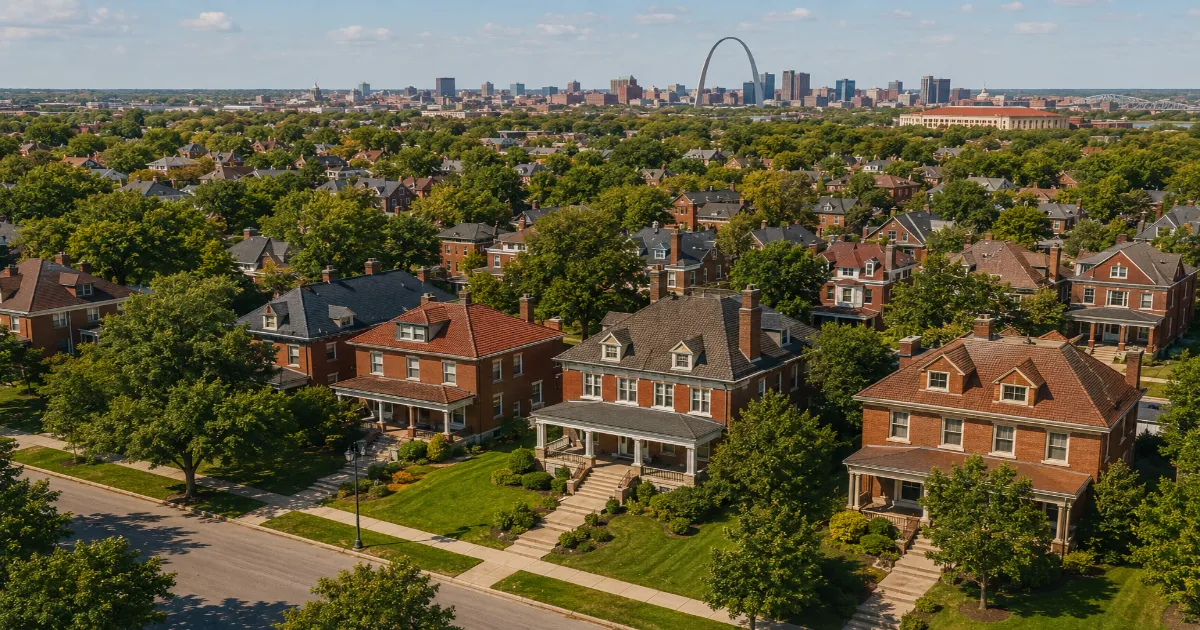
Older housing stock and moderate demand create varied pricing across neighborhoods.

Kansas City

Growing metro with moderate costs and increasing construction activity.

Springfield

More affordable market with costs below the state's two largest metros.

Columbia

University town with moderate demand and pricing.

How to compare quotes in Missouri

When comparing quotes from local contractors in Missouri, pay close attention to these state-specific considerations:

  • Local Regulations & Permits: Missouri requires mechanical permits for HVAC installations in most municipalities. St. Louis City, St. Louis County, and Kansas City each administer their own permit processes. Missouri's Division of Professional Registration licenses HVAC contractors, and the state energy code sets minimum efficiency standards for replacement equipment.
  • Material Performance: Heat pump systems are increasingly popular across Missouri, providing efficient year-round heating and cooling for the state's moderate winter climate (most of the state averages 4,500–5,500 heating degree days). For the Ozarks and northern Missouri where winter lows regularly reach single digits, dual-fuel systems with gas furnace backup ensure reliable comfort. Ameren Missouri and Evergy (Kansas City) offer rebates of $200–$800 for qualifying high-efficiency installations.
  • Project Timing: Missouri HVAC contractors face peak demand during June through August when St. Louis's oppressive summer heat pushes aging systems to failure. Emergency replacements during a heat wave can carry 1–2 week wait times. Planning a replacement during March through May or September through November offers better scheduling and competitive bidding. Fall installation allows testing under both heating and cooling loads before the respective peak seasons.
  • Verify licensing, insurance, and local references in Missouri before making a decision.
  • Ensure all quotes detail the complete scope (labor, materials, cleanup, and warranty).

Frequently asked questions

What is the typical cost of HVAC replacement in Missouri?

In Missouri, a typical HVAC replacement ranges from $6,975 to $11,625 for standard projects. Missouri's continental climate creates genuine four-season HVAC demands — summer temperatures regularly reach the mid-90s°F with high humidity in St. Louis, while winter lows can dip below 0°F during cold snaps. The state's below-average cost factor keeps HVAC replacement accessible, with full system installations typically running $5,500–$12,000. Higher-end options can range from $13,020 to $20,460 depending on scope, sizing, and contractor choice.

How do local market conditions and climate in Missouri affect HVAC costs?

Missouri's climate is characterized as continental, variable. In the St. Louis metro, the combination of extreme summer humidity and cold winters makes dual-function systems essential — heat pumps with auxiliary electric or gas heat are the fastest-growing installation type. St. Louis's notorious summer humidity (dew points regularly exceeding 70°F) makes dehumidification performance a critical system selection factor. Kansas City's HVAC market is comparable in pricing and demand patterns. Springfield and the Ozarks region face colder winters at elevation, making heating efficiency a stronger consideration. Columbia benefits from competitive pricing driven by a concentrated contractor market serving the university community. Heat pump systems are increasingly popular across Missouri, providing efficient year-round heating and cooling for the state's moderate winter climate (most of the state averages 4,500–5,500 heating degree days). For the Ozarks and northern Missouri where winter lows regularly reach single digits, dual-fuel systems with gas furnace backup ensure reliable comfort. Ameren Missouri and Evergy (Kansas City) offer rebates of $200–$800 for qualifying high-efficiency installations.

What are the permit requirements and timing considerations in Missouri?

Missouri requires mechanical permits for HVAC installations in most municipalities. St. Louis City, St. Louis County, and Kansas City each administer their own permit processes. Missouri's Division of Professional Registration licenses HVAC contractors, and the state energy code sets minimum efficiency standards for replacement equipment. Missouri HVAC contractors face peak demand during June through August when St. Louis's oppressive summer heat pushes aging systems to failure. Emergency replacements during a heat wave can carry 1–2 week wait times. Planning a replacement during March through May or September through November offers better scheduling and competitive bidding. Fall installation allows testing under both heating and cooling loads before the respective peak seasons.

Are prices the same across all regions of Missouri?

No, pricing varies between metro areas and rural towns. For example, St. Louis (older housing stock and moderate demand create varied pricing across neighborhoods), Kansas City (growing metro with moderate costs and increasing construction activity), Springfield (more affordable market with costs below the state's two largest metros). Local contractor availability, licensing, and municipal fees drive these variations.

HP
Home Project Cost Guide Editorial Team Research & Cost Analysis

Our editorial team researches and compiles home improvement cost data from contractor pricing surveys, manufacturer specifications, permit databases, and regional labor rate benchmarks to create practical planning estimates for U.S. homeowners.

✓ Published 200+ cost guides and calculators✓ Covers 25 U.S. states with localized pricing✓ Data sourced from contractor and industry benchmarks
Last reviewed: June 2026