Best Time of Year to Replace Your HVAC System
Timing your HVAC replacement strategically can save you money on both equipment and installation. Here's when to schedule for the best deals.
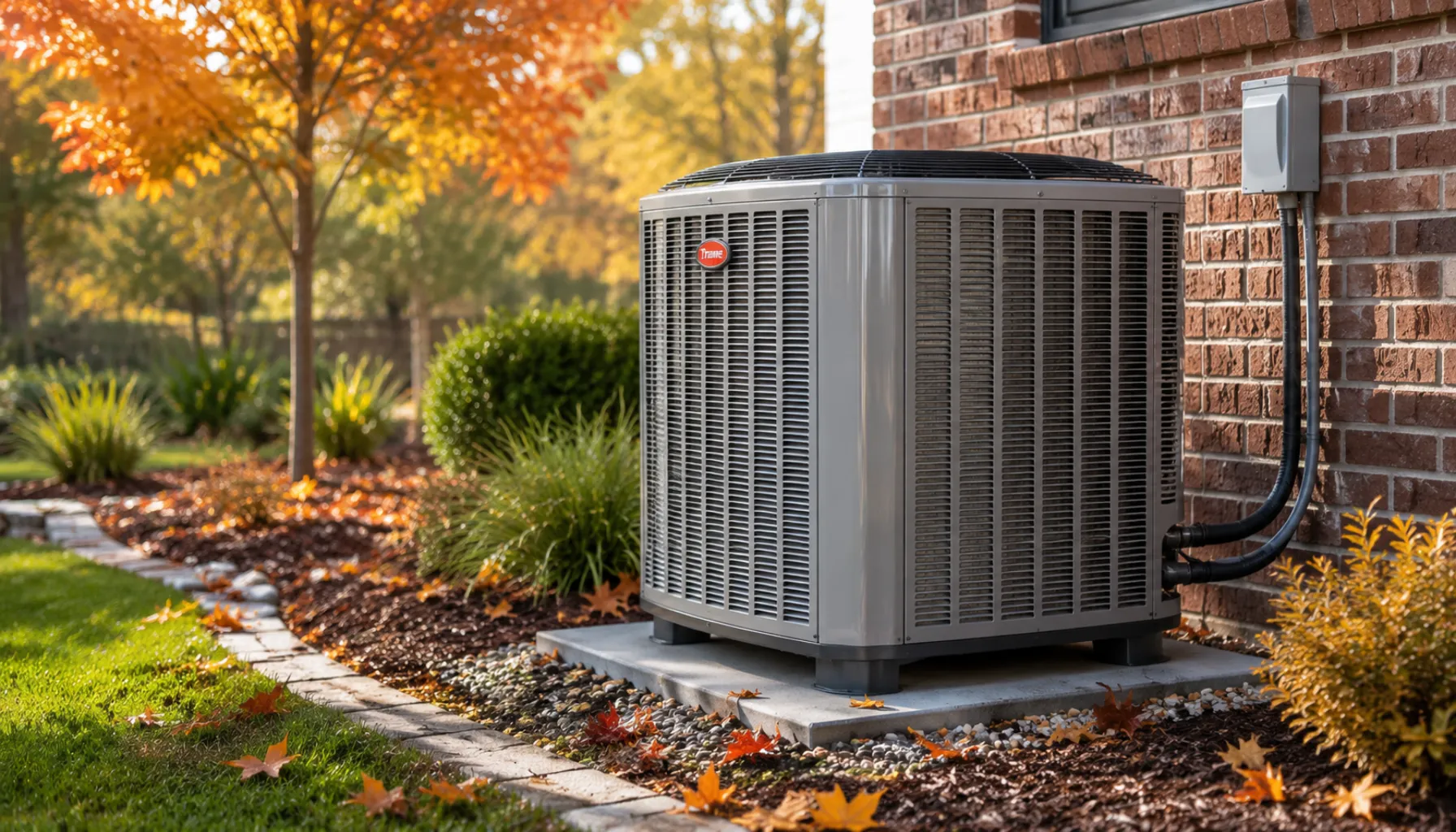
Timing your HVAC replacement strategically can save you money on both equipment and installation. Here's when to schedule for the best deals.
HVAC replacement is a major investment, typically costing $5,000 to $15,000 or more depending on the system type and complexity. What many homeowners don't realize is that when you schedule the work can significantly affect both cost and availability.
Contractor demand, manufacturer promotions, and seasonal workload all create pricing variations that savvy homeowners can use to their advantage.
The optimal time to replace your HVAC system is during the shoulder seasons — typically March through May and September through November. These periods fall between the extreme heating and cooling seasons when contractors are less busy.
During shoulder seasons, HVAC companies are actively looking for work to keep their crews busy. This competition often translates to lower installation prices, more flexible scheduling, and better attention to your project.
You're also less likely to face emergency pricing or extended wait times that are common during peak summer heat or winter cold snaps.
June through August is peak season for air conditioning failures, and December through February is peak for furnace breakdowns. During these months, contractors are overwhelmed with emergency calls.
Emergency replacements during peak season can cost 10–20% more due to overtime labor, rush delivery charges, and reduced negotiating leverage when you need the system immediately.
If your system is showing signs of failure, planning a proactive replacement during a shoulder season prevents the stress and higher cost of an emergency situation.
HVAC manufacturers typically run promotional rebates in spring (February–April) and fall (September–November) to drive sales during slower periods.
Federal tax credits for energy-efficient HVAC systems can provide significant savings. In 2026, homeowners can claim up to $2,000 in tax credits for qualifying heat pump systems under the Inflation Reduction Act provisions.
Some utility companies also offer rebates for upgrading to high-efficiency equipment. Check with your local utility provider before purchasing.
If your system is 15–20+ years old, requires frequent repairs, uses R-22 refrigerant (phased out), makes unusual noises, or can't maintain comfortable temperatures, replacement is likely approaching.
Rising energy bills despite regular maintenance often indicate declining system efficiency. A new high-efficiency system can reduce energy costs by 20–40%.
Don't wait for a complete failure. Systems that are struggling typically give warning signs months before they stop working entirely.
Get at least three quotes during the shoulder season. Compare not just price, but equipment brand, SEER/HSPF ratings, warranty terms, and what's included in the installation scope.
Ask about financing options. Many HVAC companies offer 0% financing during promotional periods, which can make a higher-efficiency system more accessible.
Consider the total cost of ownership, not just the upfront price. A system that costs $1,000 more but saves $300/year in energy costs pays for itself in just over three years.
March, April, September, and October tend to offer the best pricing because contractor demand is lower. Avoid replacing during extreme heat (July–August) or cold (December–January) when prices spike.
Most residential HVAC replacements take 1–3 days depending on the system type, ductwork condition, and whether any modifications are needed.
If both units are aging, replacing them together is usually more cost-effective. You save on labor costs, ensure system compatibility, and may qualify for bundle discounts.
Continue exploring home improvement topics and cost-saving strategies.
 Kitchen
 Discover practical strategies to cut kitchen renovation costs without sacrificing quality — from keeping your layout to choosing smart material alternatives.
Read article → Roofing
 Not every roof problem requires a full replacement. Learn when a repair makes sense and when it's time to invest in a complete new roof.
Read article → Bathroom
 You don't need a huge budget to transform your bathroom. These practical ideas deliver big impact without breaking the bank.
Read article →