Home Improvement Projects That Add the Most Value
Not all home improvements are created equal when it comes to ROI. These projects consistently deliver the best return on investment for U.S. homeowners.
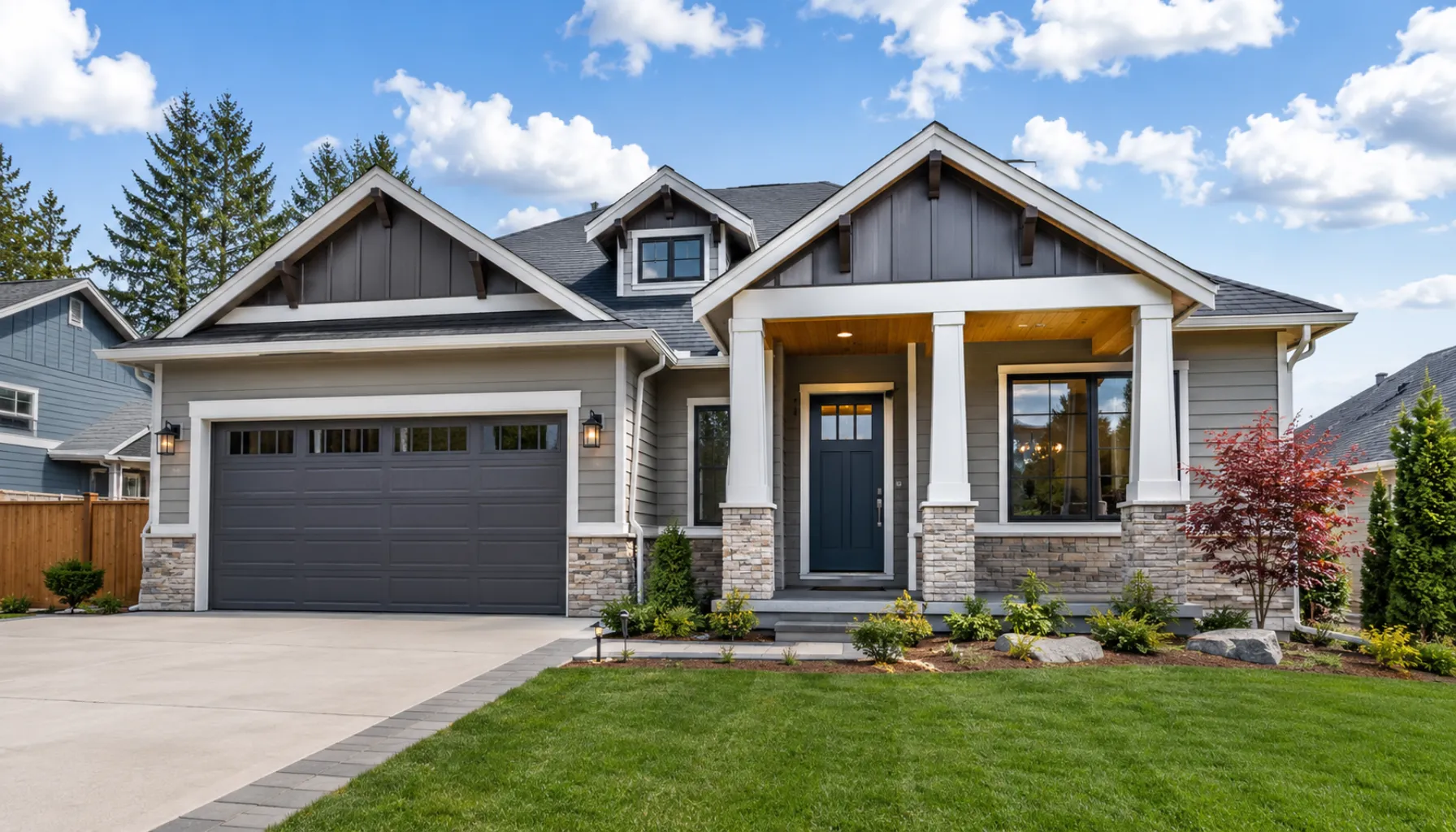
Not all home improvements are created equal when it comes to ROI. These projects consistently deliver the best return on investment for U.S. homeowners.
Home improvements can increase your property value, but not every project delivers the same return on investment. Understanding which projects offer the highest ROI helps you prioritize spending, especially if you're planning to sell.
Data from Remodeling Magazine's annual Cost vs. Value report consistently shows that exterior improvements and mid-range projects tend to outperform luxury upgrades in terms of percentage return.
Replacing an outdated garage door is consistently the #1 ROI project in national surveys. A new insulated garage door costs $2,500–$5,000 installed and can recoup nearly 100% of its cost at resale.
Curb appeal matters enormously to buyers. A garage door often occupies 30–40% of a home's front-facing exterior, making it one of the most visually impactful upgrades.
Adding manufactured stone veneer to the lower third of a home's facade costs $8,000–$12,000 and typically recoups 85–95% of its cost.
This project transforms a home's appearance and signals quality to potential buyers. It works especially well on ranch and colonial-style homes.
A minor kitchen remodel — refacing cabinets, updating countertops, new hardware, updated appliances, and fresh paint — costs $15,000–$25,000 and typically returns 70–80%.
The key word is 'minor.' Major kitchen renovations with custom cabinetry and luxury finishes cost more but return a lower percentage. Focus on creating a fresh, functional space rather than a showroom kitchen.
New siding dramatically improves curb appeal and energy efficiency. Fiber cement siding costs $12,000–$18,000 and returns 70–80% of its cost.
Vinyl siding is more affordable ($8,000–$14,000) and still delivers strong ROI. Either option signals to buyers that the home's exterior is well-maintained and protected.
Replacing old single-pane windows with energy-efficient models costs $10,000–$20,000 for a typical home and returns 65–75% at resale.
Beyond ROI, new windows reduce energy costs, improve comfort, reduce noise, and eliminate maintenance hassles of older wood windows. Vinyl and fiberglass frames offer the best value.
A mid-range bathroom update with new fixtures, flooring, vanity, and tiling costs $12,000–$25,000 and typically returns 60–70%.
Updated bathrooms are among the first things buyers look for. Even modest improvements like new tile, modern fixtures, and a frameless glass shower can significantly increase appeal.
A new roof costs $9,000–$24,000 and typically returns 55–65% of its cost. While the percentage seems lower, a new roof eliminates one of the biggest red flags for buyers and inspectors.
Homes with aging roofs often sell for less or face buyer requests for significant credits. A new roof provides peace of mind and removes a major negotiating obstacle.
Swimming pools, luxury bathroom additions in excess of the neighborhood, home offices converted from garages, and over-customized spaces tend to return less than 50% of their cost.
The golden rule: avoid improving your home beyond the level of your neighborhood. Buyers won't pay a premium for features that exceed what comparable homes offer.
When in doubt, invest in projects that improve the home's fundamentals: structure, energy efficiency, curb appeal, and the kitchen and bathrooms.
Garage door replacement consistently leads with 90–100%+ ROI. Other high-return projects include manufactured stone veneer, minor kitchen remodels, and siding replacement.
A minor to mid-range kitchen remodel typically returns 70–80% of its cost and can make your home significantly more attractive to buyers. Major luxury renovations return less percentage-wise.
No. Over-improving beyond your neighborhood's level, highly personalized projects, and swimming pools often don't recoup their full cost. Focus on projects with proven broad appeal.
Continue exploring home improvement topics and cost-saving strategies.
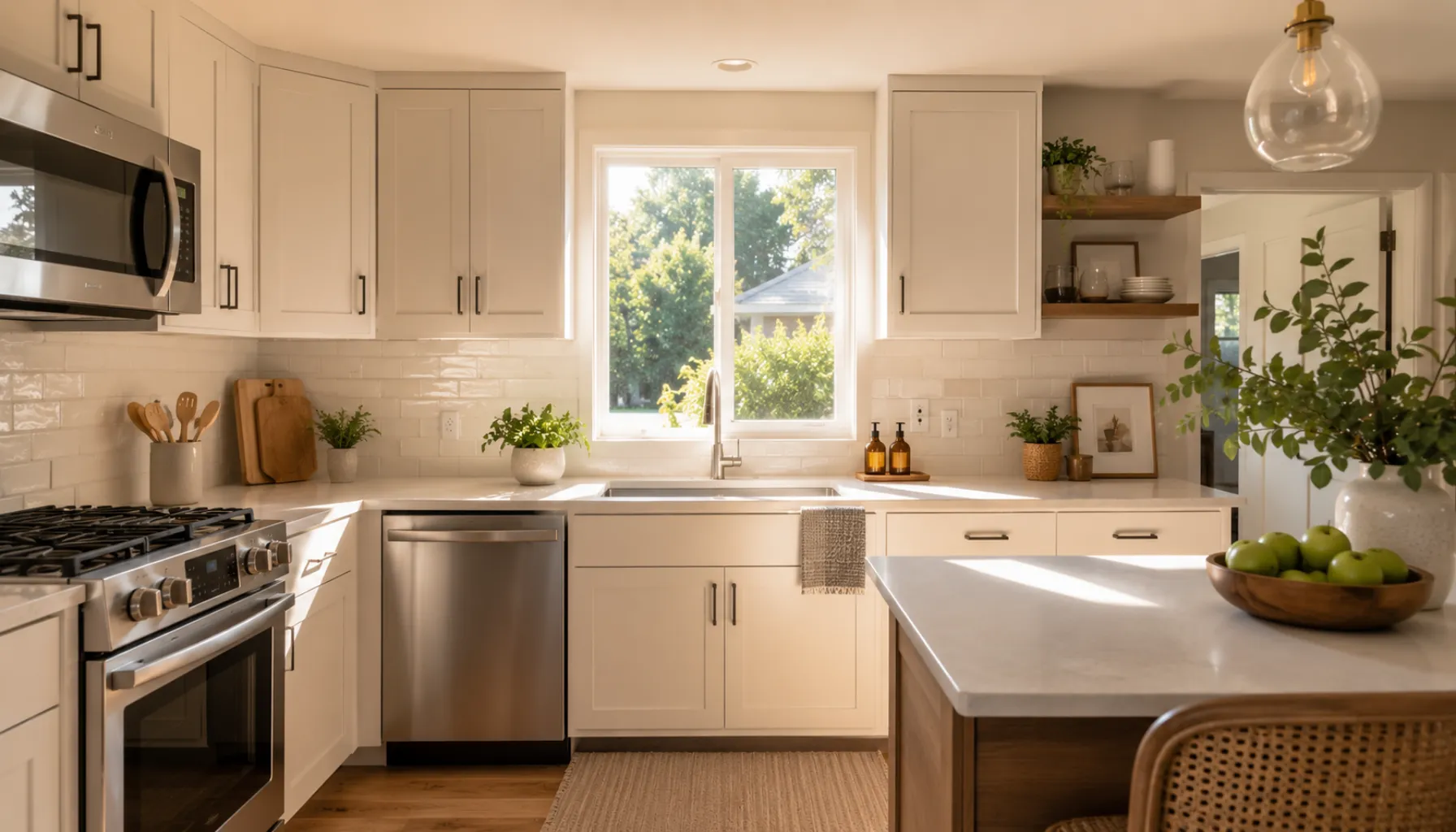 Kitchen
 Discover practical strategies to cut kitchen renovation costs without sacrificing quality — from keeping your layout to choosing smart material alternatives.
Read article →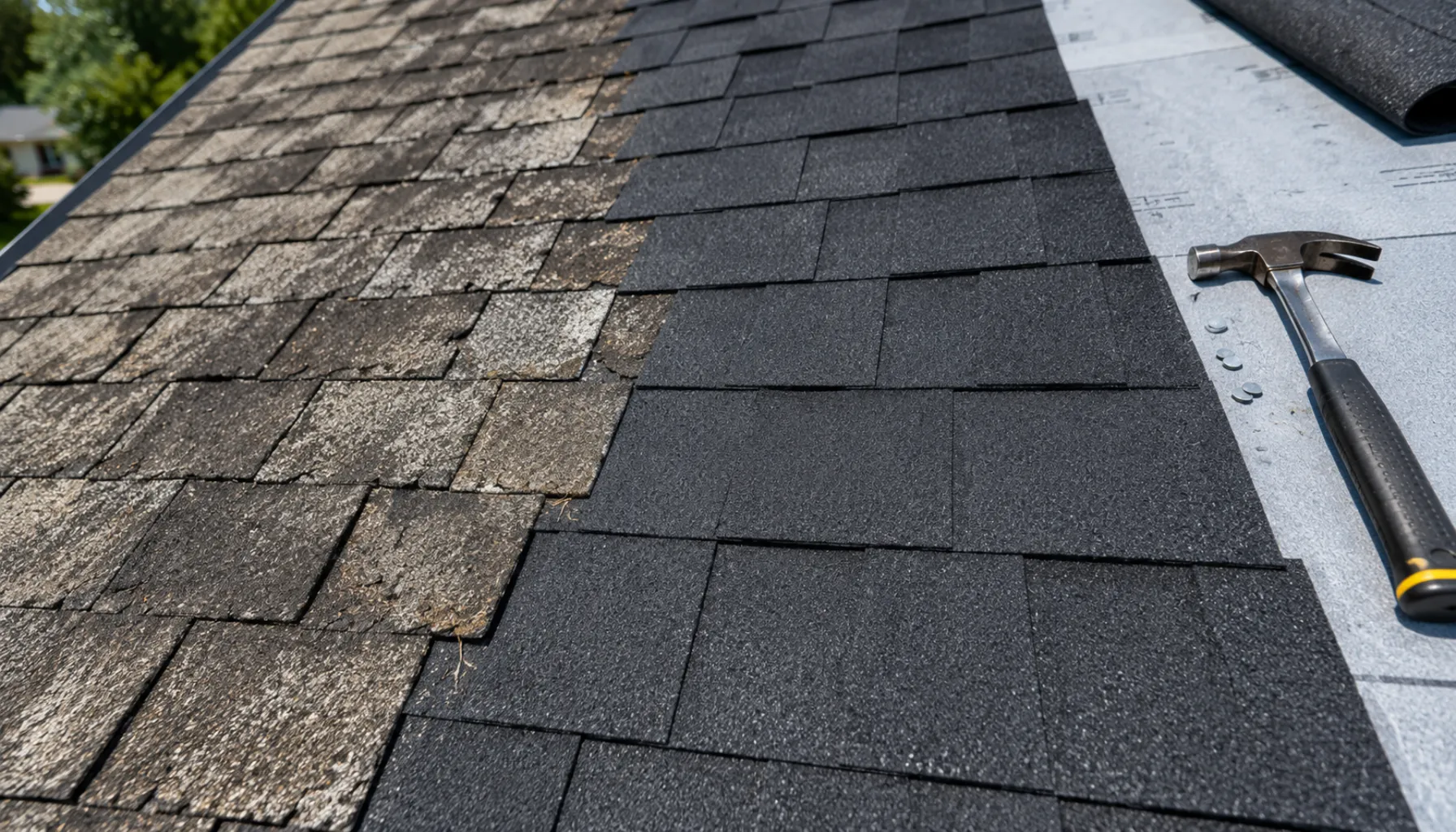 Roofing
 Not every roof problem requires a full replacement. Learn when a repair makes sense and when it's time to invest in a complete new roof.
Read article →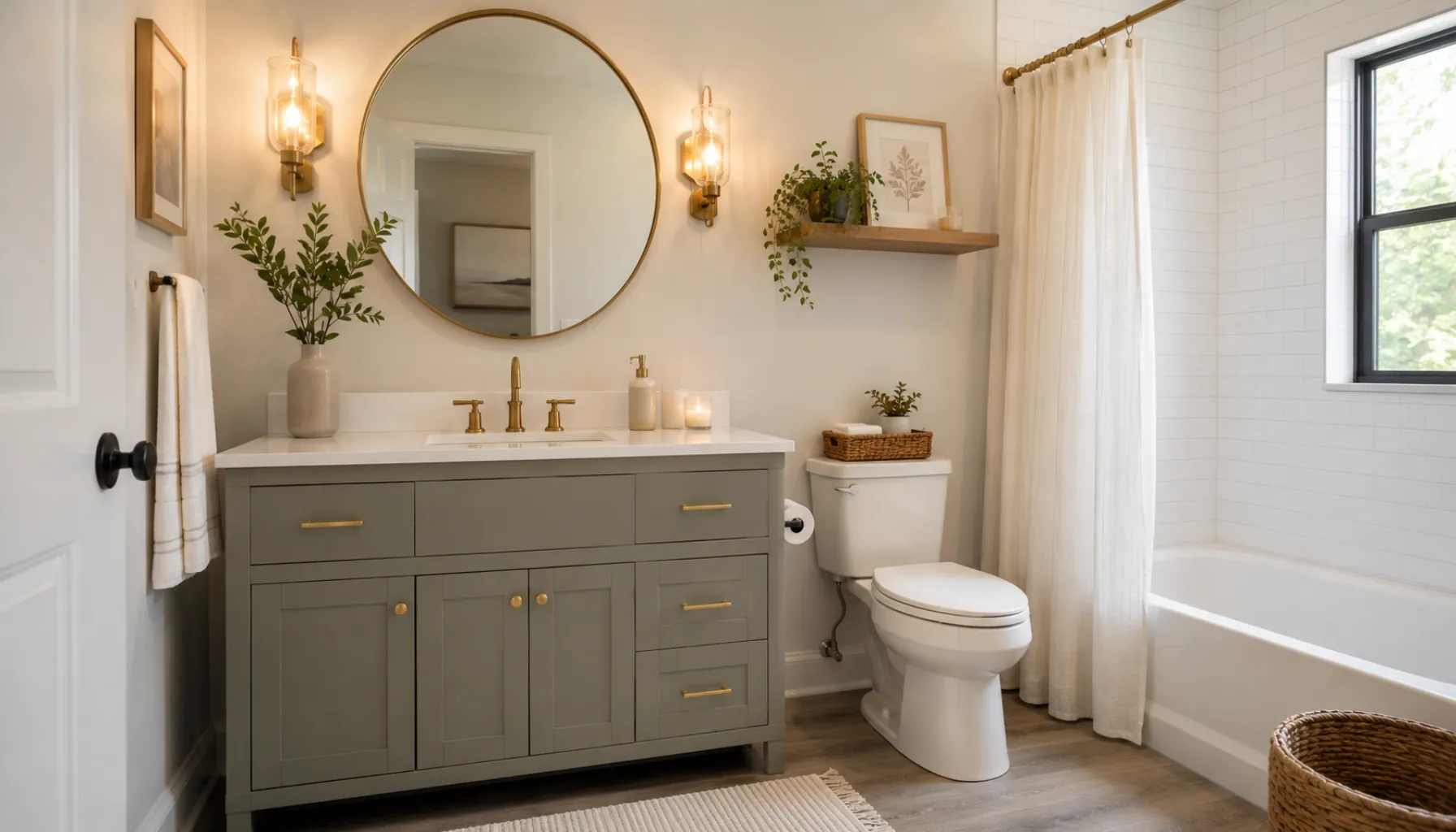 Bathroom
 You don't need a huge budget to transform your bathroom. These practical ideas deliver big impact without breaking the bank.
Read article →